Advancing Circularity: Kenyan Textile, Apparel & Fashion Sector Concludes Milestone Sustainability Workshop
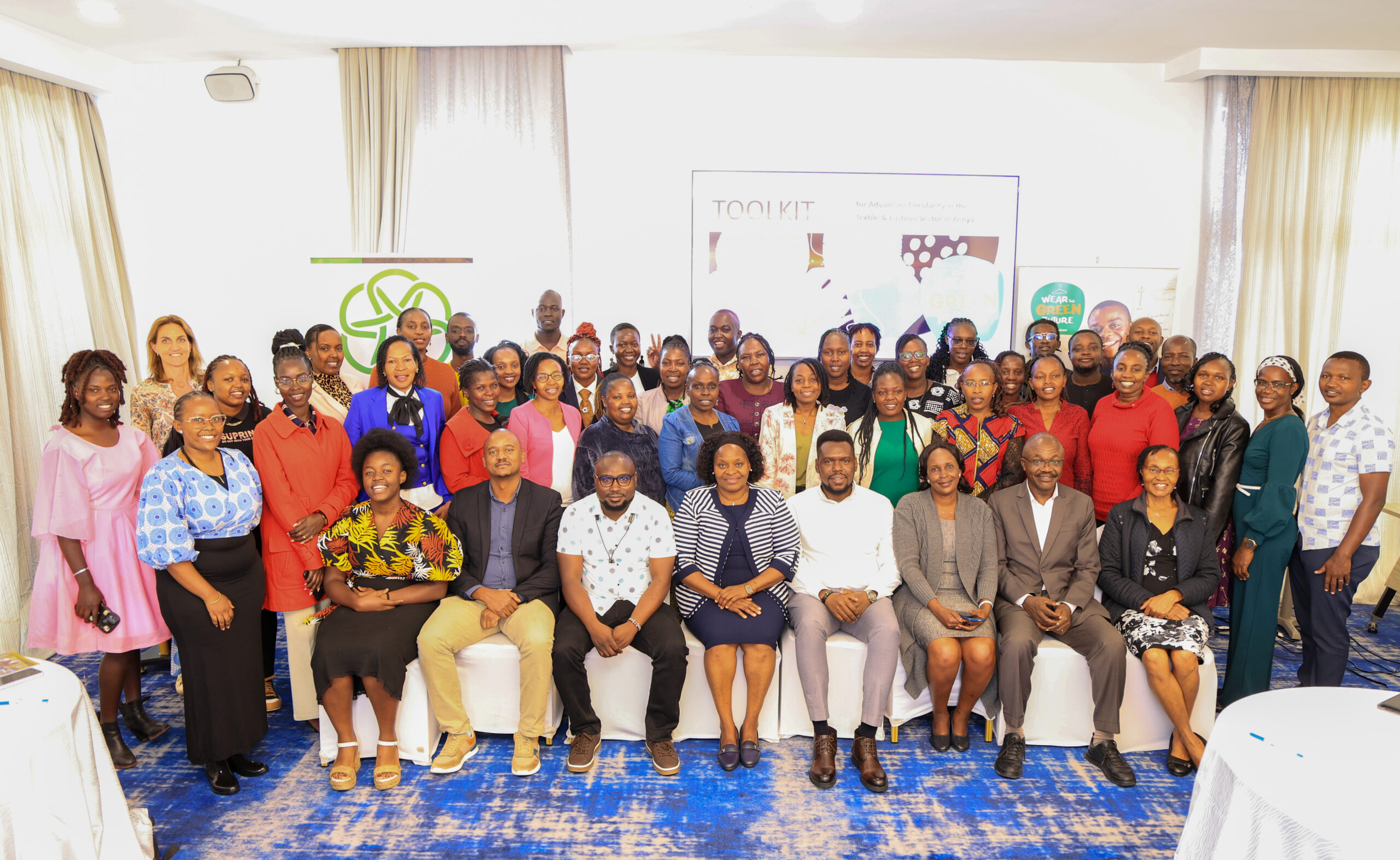
NAIROBI, KENYA – 22nd April, 2026: The transition toward a circular economy in Kenya’s textile and apparel sector took a significant step forward following the successful conclusion of the “Advancing Circularity” workshop at the Kingfisher Nest Hotel in Westlands.
Hosted by Sustainable Inclusive Business (SIB-Kenya) under the Kenya Private Sector Alliance (KEPSA), in partnership with Edukans Kenya and Sprout Africa, the workshop brought together key actors from across the textile, apparel and fashion industry as part of the #WearTheGreenFuture (WTGF) project.
The “Wear the Green Future” project is a flagship initiative funded by Nationale Postcode Loterij (NPL) led by Edukans Kenya, and co-implemented by Sprout Africa, and SIB-Kenya. The project is dedicated to equipping young people with the essential skills for sustainable and circular practices within the textile, apparel and fashion industry. Through training, mentoring, and the establishment of robust networks for small and medium-sized enterprises (SMEs), the program ensures that sustainability becomes a practical approach embedded in everyday production. This includes educating artisans on transforming offcuts and waste materials into high-value products.

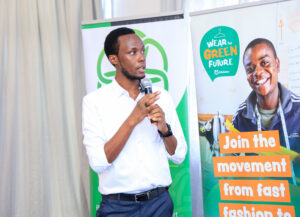
Speaking during the workshop opening, Mary Mugo, the Country Director of Edukans Kenya, emphasised that the circular economy, particularly in the Textile, Apparel & Fashion Sector, is no longer a future concept but a “here and now” development imperative.
“By linking circular economy principles to entrepreneurship, youth employability, and the wider labor market, the Wear the Green Future initiative aims to realize an inclusive, practical, and locally driven circular economy through strategic partnerships that ensure relevance and scalability,” said Ms. Mugo.
She commended the active participation of both large-scale manufacturers and emerging entrepreneurs as a testament to the sector’s collective commitment to fighting environmental degradation.
Mr. Kaburu Munene, Circular Economy Specialist at SIB-Kenya, added that this workshop was a direct outcome of the 10th Annual Circular Economy Conference held in 2025, where the partners together launched the
“Advancing Circularity in the Textile, Apparel & Fashion Sector in Kenya” Toolkit, developed under the #WearTheGreenFuture (WTGF) project. He also remarked that the workshop marked the transition from strategy to hands-on implementation of the Toolkit.
Throughout the session, participants were guided through critical topics such as auditing operational baselines, understanding the core principles of designing out waste, and exploring the financial sustainability of circular business models.
Strengthening Policy Compliance and Global Competitiveness
Navigating Kenya’s evolving regulatory landscape was a cornerstone of the workshop. Participants engaged directly with officials from the Ministry of Trade and the National Environment Management Authority (NEMA).
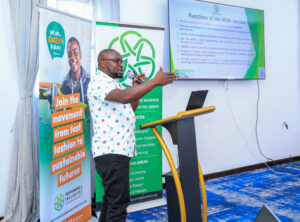
With the enforcement of the Sustainable Waste Management Act of 2022 and stringent Extended Producer Responsibility (EPR) requirements rolling out, ignorance is no longer an option for businesses in the sector. The sessions provided crucial guidance on domestic compliance, while also analysing the impact of global policy shifts, such as new European Union regulations on exporters.
To maintain the momentum of these vital industry reforms, the physical workshop will be followed by a comprehensive online series, further guiding stakeholders through the circularity toolkit.
Photos and media files: https://drive.google.com/drive/folders/14sPrTmprJRMdYq-eLW7jM93XtEqFveF4?usp=sharing
More photos here: https://www.flickr.com/photos/kenya-private-sector-alliance/albums/72177720333267183/
For Media Inquiries: please contact:
Nahashon Maina, Sustainable Inclusive Business Kenya (SIB-Kenya) Communication Lead – nahashon@sustainableinclusivebusiness.org