Circular Economy

The biggest challenge to sustainability lies in the current linear–take, make, waste economic model and an outdated energy system. This cradle-to-grave model is fixed on an industrial mindset where producers assume the resources they use are unlimited and, therefore, are never restored. In this case, short-term profits are placed at the top of the pyramid at the expense of people and the planet. Ultimately, contaminated air and water become just some of the inevitable outcomes of the lopsided pressure applied to the ecosystem. For this reason, SIB-K focuses on shifting from this model to a more Circular Economy that brings together all different and urgent topics to drive towards a low-carbon economy while meeting Sustainable Development Goals. A circular economy is a system built on renewable energy and regenerative models, and it keeps resources in use over and over without putting anything to waste. 

We support business and societal models, material life-span expansion, proper waste management practices, boost recycling opportunities, incubate innovative and sustainable business solutions, help businesses redesign models and create regenerative approaches, communicate to raise awareness, drive behavioral change, and educate positively. The advocacy for a circular model is based on its emphasis on redefining growth, focusing not only on profits but also on resilient and thriving systems with a positive impact on the planet and people. 

One of the gravest impacts of the linear economy has been the irresponsible disposal of plastics, especially single-use, on the environment. Unsightly landfills and litter in parks and even beaches continuously choke our environment. We have published a trend report on single-use plastics, which indicates that 79% of plastic waste produced globally now sits in landfills, dumps, or the environment. In comparison, 12% has been incinerated, and only 9% has been recycled globally. Published data shows that only 8% of plastic is recycled in Kenya (IUCN, 2021).

In a Circular Economy, waste is considered part of the system (a resource or material that should stay or become an input repeatedly). It is reintroduced into the cycle to regenerate other products. This reduces the amount of materials (waste) disposed into the environment and creates new value as input for the next cycle.


One of Kenya’s Big Four agendas is manufacturing. We also look at how to make one industry’s by-product into another industry’s raw material. In a circular economy, companies prioritize reusing, repairing, and re-manufacturing products designed to keep resources in use for as long as possible. We believe this is a direct way to create more jobs at a time when the rate of unemployment, especially among the youth, continues to rise.

Projects

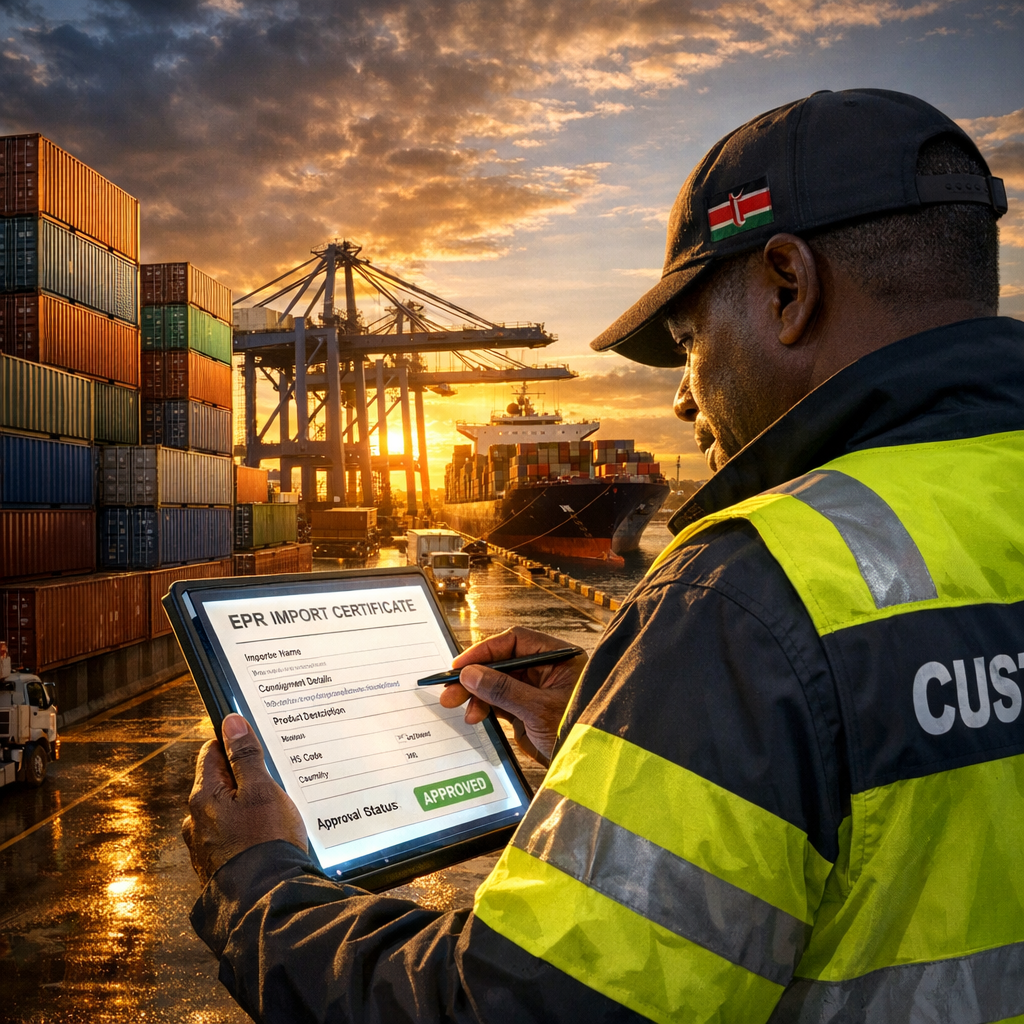
The EPR Deadline: Why EPR Ignorance is No Longer an Option

The EPR Deadline: Why EPR Ignorance is No Longer an OptionWith the May 2025 producer registration deadline behind us and the recent March 2026 import certificate mandate in full force, Kenyan businesses must comply with the Extended Producer Responsibility regulations or face heavy fines and market exclusion. The days of producing, packaging, and simply walking [...]

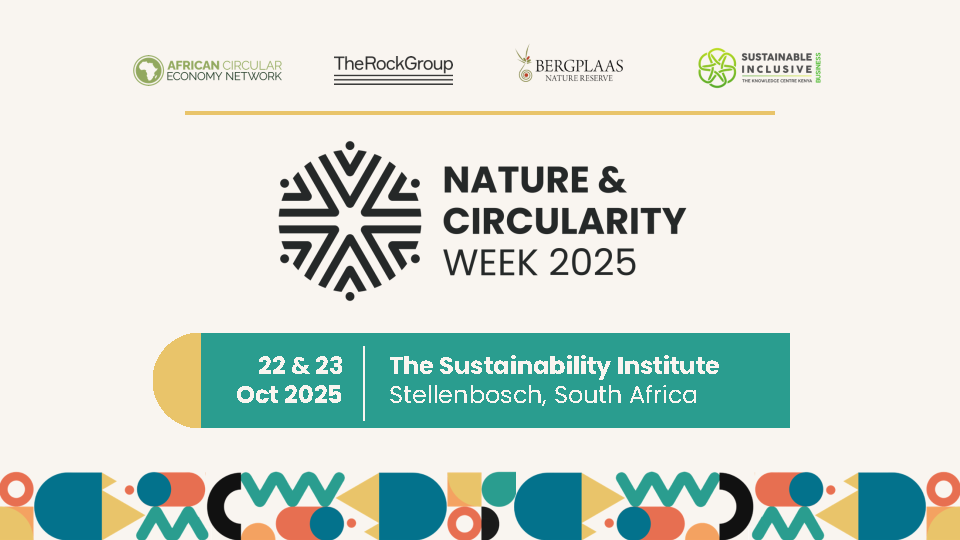
Nature & Circularity Week 2025 Report

Looking Back at a Transformative Gathering: A Recap of Nature & Circularity Week 2025 In 2025, the sustainability community came together for the incredible Nature & Circularity Week 2025. Held on October 22 and 23, 2025, the inspiring two-day event took place at The Sustainability Institute in Stellenbosch, South Africa. It was a monumental gathering […]

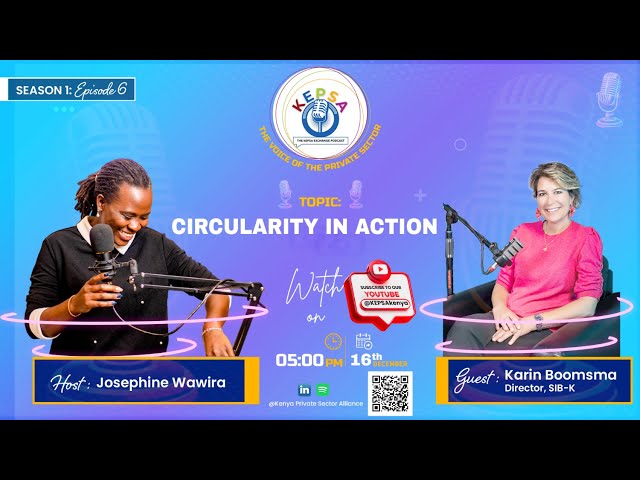
Circularity in Action: Lessons from SIB-Kenya’s Decade of Impact

In this special episode of The Exchange Podcast, we celebrate 10 years of Sustainable Inclusive Business (SIB-Kenya). Project Director Karin Boomsma joins us to demystify the circular economy and discuss how Kenyan businesses are moving beyond traditional CSR toward sustainable, regenerative practices. Highlights from the Episode: Why This Matters As we look toward the future, […]

Reports & Insights

Tombolo Energy – Impact Assessment

Tombolo Energy – Impact Assessment

Lorem ipsum dolor sit amet, consectetur adipiscing elit. Nulla sodales ac nisi vel auctor. Donec non erat fermentum, elementum massa eget, porttitor elit. In pellentesque est sed elementum tempus. Aliquam erat volutpat. Nullam maximus sodales orci quis porttitor.

DELA cooperative – Carbon Footprint Measurement

Circular Economy, Sustainable Strategy Implementation

Lorem ipsum dolor sit amet, consectetur adipiscing elit. Nulla sodales ac nisi vel auctor. Donec non erat fermentum, elementum massa eget, porttitor elit. In pellentesque est sed elementum tempus. Aliquam erat volutpat. Nullam maximus sodales orci quis porttitor.


Booking.com – Environmental Impact

Events

The EPR Deadline: Why EPR Ignorance is No Longer an Option

Circular Economy Circular Economy-- Climate Change Climate Change-- Knowledge Center News News Features SIB Blog Article Updates
[vc_row][vc_column][vc_cta h2="The EPR Deadline: Why EPR Ignorance is No Longer ...

Continue →

Nature & Circularity Week 2025 Report

Conferences Update Our Conferences Reports & Insights

Looking Back at a Transformative Gathering: A Recap of Nature & Circularity ...

Continue →

Circularity in Action: Lessons from SIB-Kenya’s Decade of Impact

Videos Circularity in Action: Lessons from SIB-Kenya's Decade of Impact

In this special episode of The Exchange Podcast, we celebrate 10 years of Sustai...

Continue →

Featured Videos

Our Partners In Circular Economy