Assessment of the Current Status of the Circular Economy in the Waste Sector for Developing a Waste Stream-Specific Roadmap in Malawi
The shift from a linear to a circular economy is critical for resource efficiency and the long-term value of resources and goods. Sustainable Inclusive Business (SIB-K), supported by The Netherlands Organisation for Applied Scientific Research (TNO), assessed the current state of the circular economy in the waste sector in Malawi in collaboration with Malawi’s National Commission for Science and Technology and with funding from the European Commission through the Climate Technology Centre & Network (CTCN). The findings of this study aided Malawi in designing a waste stream roadmap for attaining a circular economy in the waste sector with a specific focus on the priorities of the waste stream.

Project Objectives
The project’s main objective was to support the development of a waste stream-specific road map and pilot project for the circular economy in Malawi.
Specific objectives:
- The project’s goal was to evaluate the current state of waste management practices for the six waste streams (plastics, metals, glass, paper, household waste, and agricultural waste) and identify and develop an up-to-date guide for critical stakeholders, existing public and private sector initiatives, policies, and insights in waste generation and processing.
- Determine the benefits and drawbacks of implementing a more circular waste management system for each waste stream.
- Select a waste stream with the best chance of transitioning to a more circular management system.
- Create a thorough strategic national roadmap for the selected waste stream.

Target Groups & Impact
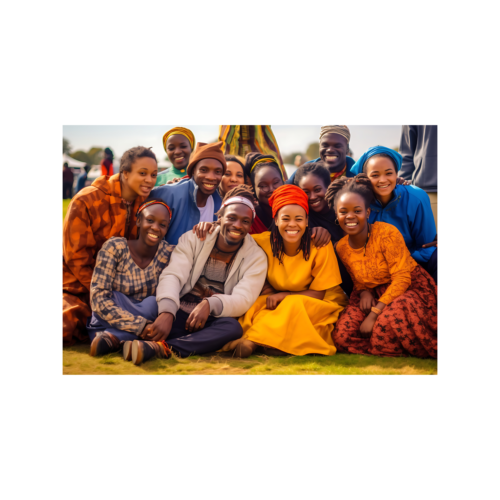
Target Group(s): The target groups were the Malawi national Government, Malawi’s National Commission for Science and Technology, government agencies, waste management organizations, informal waste players, and households.
Impact:
- Conducted a successful study to assess the current state of the circular economy in the waste sector in Malawi.
- Conducted policy analysis and identified gaps that hinder the transition to circularity.
- Analyzed Malawi’s major challenges in waste management infrastructure and provided recommendations to ensure proper and effective waste management in the country.
- Designed a conceptualized pilot project for the circular economy in Malawi.
- Aided Malawi in designing a waste stream roadmap for attaining a circular economy in the waste sector, specifically focusing on the waste stream’s priorities. This roadmap will act as a management tool during the implementation phase and foster new enterprises, innovation, and technology transfer, creating high-quality jobs and mitigating climate change, which benefits all.
Project Partners
Related Projects

The EPR Deadline: Why EPR Ignorance is No Longer an Option
The EPR Deadline: Why EPR Ignorance is No Longer an Option With the May 2025 producer registration deadline behind us and the recent March 2026 import certificate mandate in full force, Kenyan businesses must comply with the Extended Producer Responsibility regulations or face heavy fines and market exclusion. The days of producing, packaging, and simply [...]
Nature & Circularity Week 2025 Report
Looking Back at a Transformative Gathering: A Recap of Nature & Circularity Week 2025 In 2025, the sustainability community came together for the incredible Nature & Circularity Week 2025. Held on October 22 and 23, 2025, the inspiring two-day event took place at The Sustainability Institute in Stellenbosch, South Africa. It was a monumental gathering […]

Circularity in Action: Lessons from SIB-Kenya’s Decade of Impact
In this special episode of The Exchange Podcast, we celebrate 10 years of Sustainable Inclusive Business (SIB-Kenya). Project Director Karin Boomsma joins us to demystify the circular economy and discuss how Kenyan businesses are moving beyond traditional CSR toward sustainable, regenerative practices. Highlights from the Episode: Why This Matters As we look toward the future, […]