No SUP Use Campaign (No Single Use Plastics Use)
Eliminating Problematic & Unnecessary Single‑Use Plastics in Kenya’s Hospitality & Tourism Sector
Lead: Kenya Plastics Pact (KPP)
Strategic Partners: WWF Kenya, KEBS, NEMA, Sustainable Inclusive Business – KEPSA (SIB‑K)
Launched: 29 October 2025
Official Public Unveiling: 10th Annual Circular Economy Conference – 19–20 November 2025
Overview
The “NO SUP USE” Campaign is a national initiative launched by the Kenya Plastics Pact (KPP) to eliminate problematic and unnecessary single‑use plastics (SUPs) in Kenya’s hospitality and tourism sector. The campaign operationalises the KPP Priority Elimination List, offering the sector a clear guide, action manual, and a recognisable No SUP Use logo* that businesses can use to publicly demonstrate their commitment.
The campaign is grounded in the 5Rs framework promoted across all released materials: Refuse, Reduce, Replace, Reuse, Refill.
This portfolio consolidates the campaign journey, key outputs, materials produced, and sector-wide impact.
Background & Rationale
Plastic pollution continues to threaten Kenya’s ecosystems, human health, and economic sectors such as tourism. The Elimination Manual for Single‑Use Plastics notes that SUPs contribute heavily to drainage blockage, microplastics contamination, biodiversity loss, and greenhouse gas emissions. It highlights that many plastic types—including PVC, EPS, and polystyrene packaging—are not recyclable in Kenya, worsening environmental leakage.
The hospitality and tourism sector was selected due to:
- Its high consumption of disposable plastic items (water bottles, cutlery, cups, packaging).
- Its direct visibility to local and international consumers.
- Its potential to drive rapid behaviour change.
- Existing sustainability momentum among industry leaders.
Campaign Development & Execution
Phase 1: Pre‑Launch Stakeholder Engagement
- Engagement with hotels, tourism associations, cafés, tour operators, and retailers.
- Alignment meetings with NEMA and KEBS on possible national integration and labelling standards.
- A sector action survey capturing current elimination practices.
Outcome: A coalition of motivated early adopters and regulatory partners ready for the campaign rollout.
Phase 2: Development of Communication Materials & Manuals
This phase produced all key campaign outputs, including:
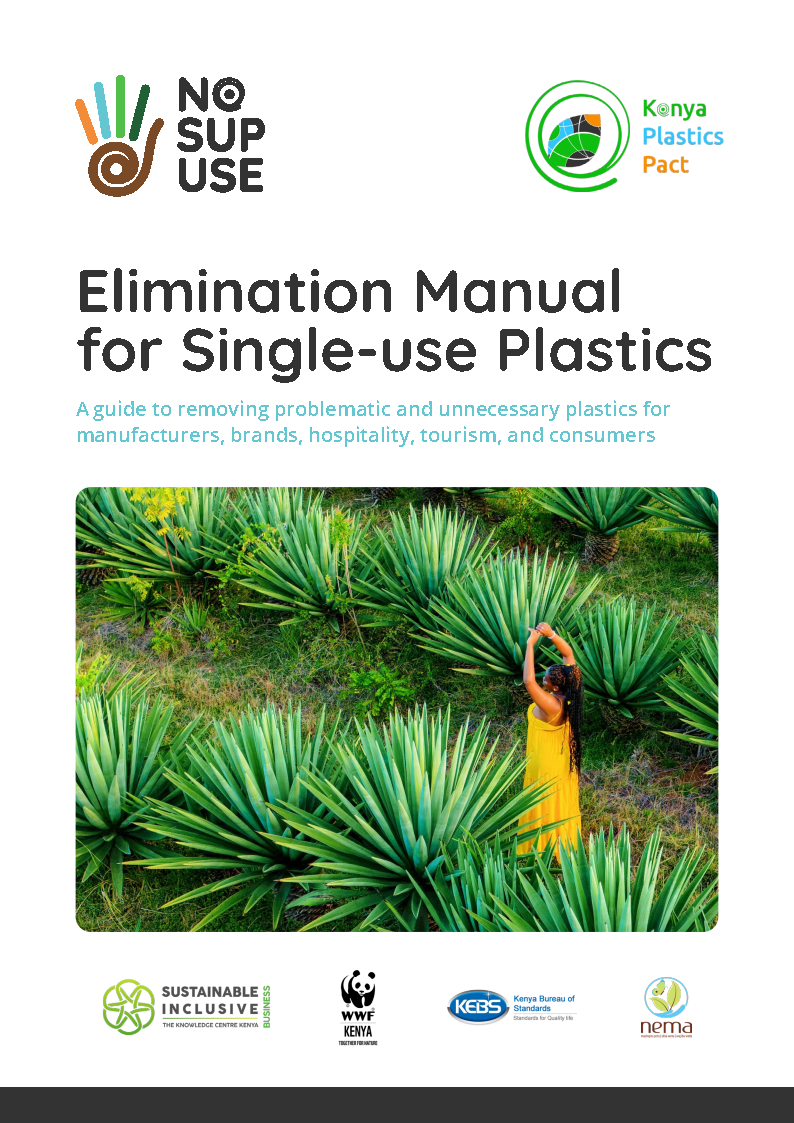
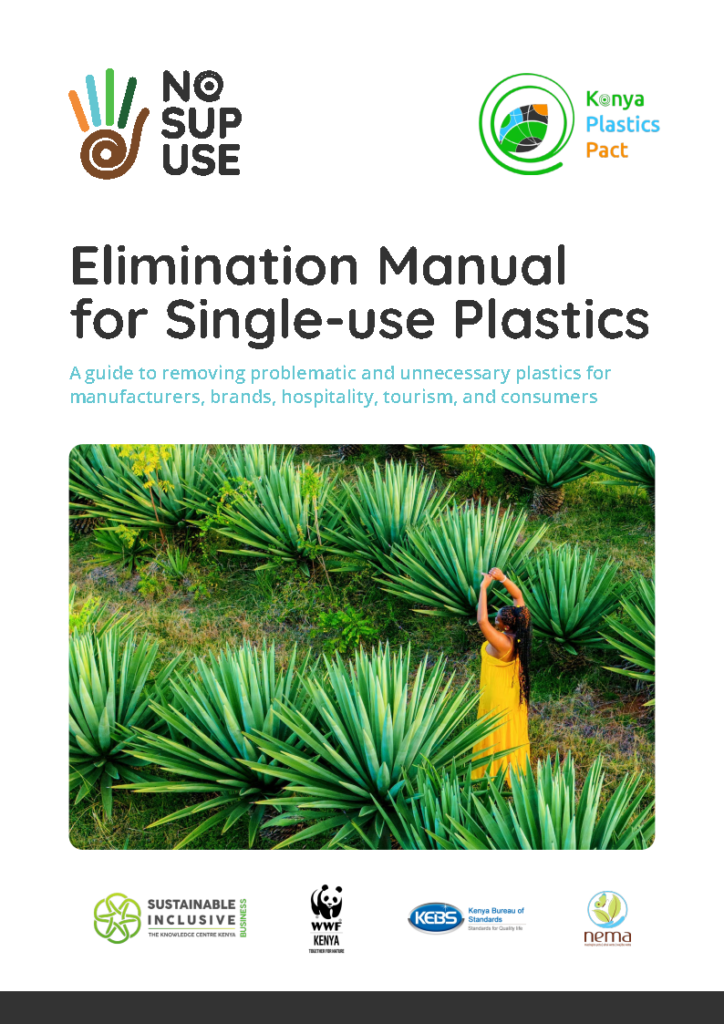
a) NO SUP Use Elimination Manual (Official Output)
A comprehensive manual offering:
- Background on plastic pollution
- The 5Rs practical framework
- Detailed elimination strategies for #Elimination List (Plastic cutlery, Straws, stirrers, cotton bud sticks, Disposable cups, plates, and bowls, PET bottles and packaging, Polystyrene (PS) packaging, PVC, PETG shrink sleeves, Secondary cling film on takeaway packaging, Plastic multi-wrap for multi-pack sales)
- Sector-specific interventions for businesses, retailers, and consumers
b) NO SUP Use Logo / Label
A visual identity for businesses demonstrating SUP elimination commitments.
Phase 3: Awareness and Official Launch
The campaign was unveiled publicly through an official press release, outlining:
- The introduction of the NO SUP USE logo
- The campaign’s alignment with NEMA and KEBS
- The targeted elimination of SUP items including polystyrene and plastic cutlery
- A call for businesses to join the movement
Media traction and sector communication created strong momentum ahead of the conference.
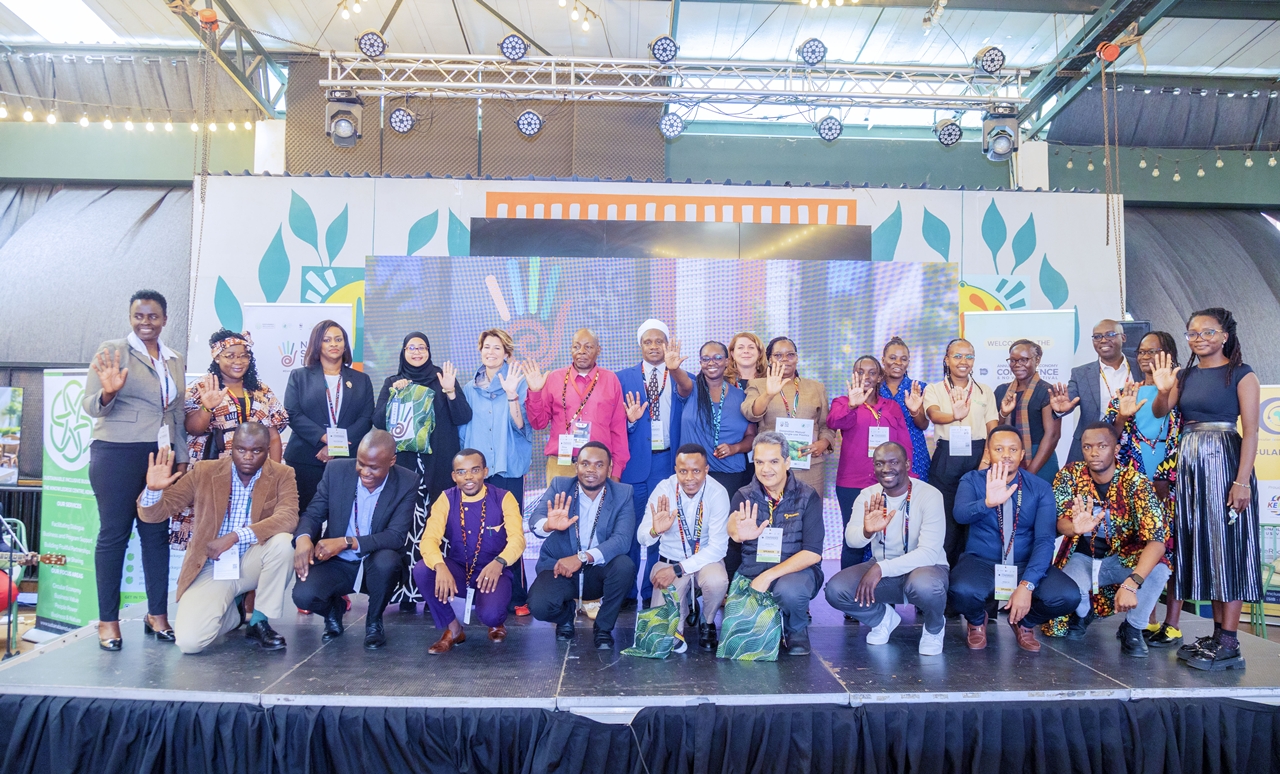
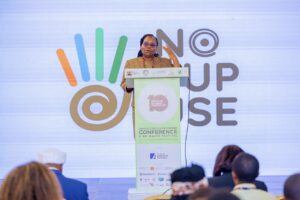
During Day 2 of the 10th Annual circular Economy Conference, the NO SUP USE Elimination Campaign and Manual were officially launched and witnessed by over 300 delegates, including policymakers, private sector leaders, innovators, youth, and development partners.
This conference also cemented the campaign as a national-level reference point for plastic elimination efforts.
The Laspt phase of the campaign is to increase industry awareness and engagement on problematic SUP elimination in the following sectors:
Hotels & Lodges
- Replacement of disposable bathroom amenities with refillable bulk systems
- Removal of polystyrene food packaging
- Serving water in glass dispensers or refillable bottles
Restaurants & Cafés
- Discounts for customers using reusable cups
- Removal of single-use stirrers, straws, and cutlery
- Adoption of reusable dishware systems
Tour Operators & Safari Companies
- Provision of reusable water bottles
- Elimination of single-use bottles on game drives
- Staff and guest-facing anti-plastic awareness messaging
Retailers
- Introduction of bulk dispensing stations
- Removal of plastic multi-wraps where possible
- Shift to recyclable or compostable packaging